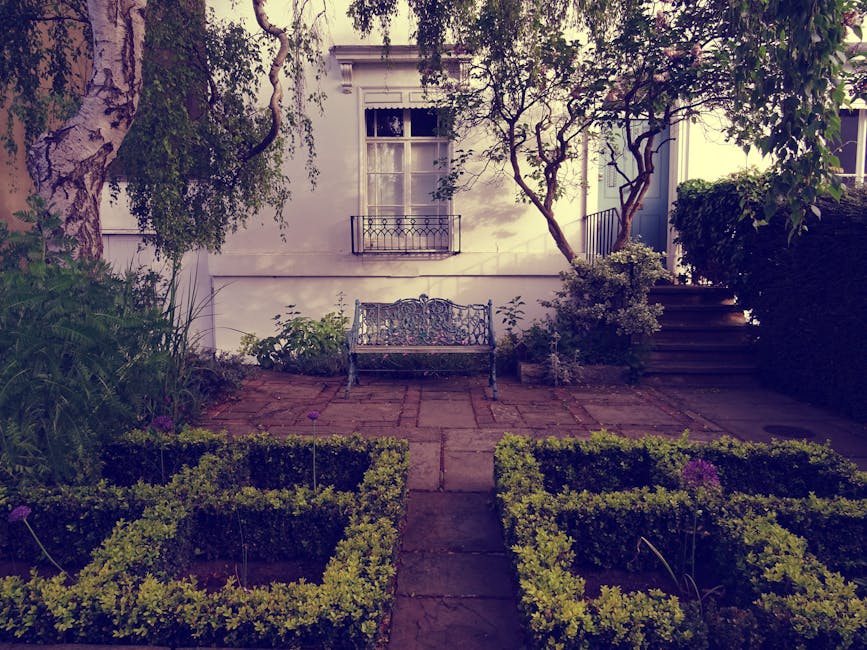
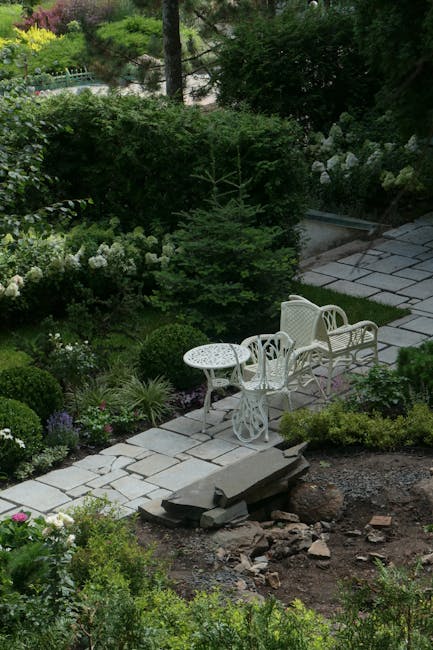
Local gardeners case study Westow Hill small garden transform
Small gardens can be the most rewarding spaces to work on. They ask for discipline, planning, and a bit of imagination, but when they are done well, they can feel bigger, calmer, and far more usable than the square footage suggests. This Local gardeners case study Westow Hill small garden transform looks at the kind of practical thinking that turns a cramped, awkward outdoor space into something tidy, welcoming, and easy to maintain.
If you live around Westow Hill, you will know the mix of properties can be a little tricky: narrow plots, shaded corners, sloping ground, and gardens that somehow collect clutter faster than you expect. That is exactly why thoughtful garden care matters. The goal is not to create a glossy showroom garden that only looks good for one weekend. It is to create something that works on a wet Tuesday in November as well as it does in June.
In this article, we will walk through why this kind of local work matters, how a small-garden transformation is usually approached, what benefits you can realistically expect, and the mistakes people often make when trying to do it themselves. We will also include a clear checklist, a comparison of common methods, and a practical FAQ section for homeowners who want a better outdoor space without unnecessary fuss.
Table of Contents
- Why Local gardeners case study Westow Hill small garden transform Matters
- How Local gardeners case study Westow Hill small garden transform Works
- Key Benefits and Practical Advantages
- Who This Is For and When It Makes Sense
- Step-by-Step Guidance
- Expert Tips for Better Results
- Common Mistakes to Avoid
- Tools, Resources and Recommendations
- Law, Compliance, Standards, or Best Practice
- Options, Methods, or Comparison Table
- Case Study or Real-World Example
- Practical Checklist
- Conclusion
- Frequently Asked Questions
Why Local gardeners case study Westow Hill small garden transform Matters
Small gardens are often underestimated. They are easy to ignore because they are not large enough to feel like a "project", yet they are usually the first place where neglect shows up. A patch of tired lawn, overgrown hedges, a few awkward slabs, and suddenly the whole property feels a bit neglected. That is the strange thing about compact spaces: every detail matters more.
For homes near Westow Hill, a local gardener brings a practical advantage that goes beyond convenience. Local knowledge helps with the realities that actually affect results: shade from neighbouring trees, limited access for materials, boundary considerations, and the kind of planting that survives in a busy London setting. There is no point designing for a sunny country border if the garden only gets bright light for an hour after lunch.
This is also where a small garden transformation becomes less about "big landscaping" and more about smart decision-making. A good local gardener will look at what is already there, what can be saved, and what should be removed. That judgment saves money and often gives a better result than starting from scratch. Truth be told, sometimes the best transformation begins with a very honest tidy-up.
It also matters because outdoor space has become more functional than decorative for many households. People want somewhere to sit, somewhere to dry washing, somewhere for children to play safely, and somewhere that does not become a weekly headache. The best transformations support everyday life, not just the first impression.
If you are comparing services, it helps to understand how a broader local maintenance plan fits together. Regular garden maintenance can keep a transformed space looking intentional, while specialist services such as lawn mowing and hedge trimming stop a neat finish from sliding back into chaos two weeks later. Annoying, but true.
How Local gardeners case study Westow Hill small garden transform Works
A solid small-garden transformation usually follows a simple pattern: assess, clear, reshape, refine, and maintain. It sounds straightforward, and in principle it is. The challenge is making the right choices at each stage without overcomplicating things.
First comes the assessment. This is where a gardener looks at sunlight, drainage, soil condition, access, existing structures, and the current use of the space. A tiny garden may need to work harder than a larger one, so the layout has to be realistic. If the only dry sitting area is in the wrong corner, that has to be dealt with early.
Then comes clearance. This may involve removing accumulated debris, old pots, broken items, brambles, self-seeded weeds, and any material that is simply taking up useful room. For some gardens, garden clearance is the turning point. Once the clutter is gone, the actual structure of the space becomes visible, and that is when sensible decisions can be made.
After clearance, the garden can be reshaped. In a small Westow Hill garden, that might mean simplifying the border lines, trimming back growth to let in more light, improving the lawn edge, or creating a cleaner circulation route from the back door to the seating area. It may sound minor. It is not minor at all. In compact gardens, a few inches can change the whole feel.
Finally, the finish matters. Freshly cut edges, healthy planting choices, a tidy lawn, and a clear maintenance routine make the space feel finished rather than merely "done". If decking or hardscape elements are involved, they should be chosen for practicality as much as looks. A small seating deck, for example, can be a neat way to create a stable surface without filling the whole garden with paving. In the right setting, decking services can be a smart part of the overall layout.
The key thing to remember is that a transformation is not just a one-off tidy-up. It is a design-and-maintenance decision, even when the design is modest. That distinction is what separates a quick clean-up from a proper improvement.
Key Benefits and Practical Advantages
The obvious benefit is that the garden looks better. But that is only the start. In practice, people choose small-garden transformations because they want the space to feel easier, more usable, and less mentally noisy. You know the feeling: you open the back door, look out, and instead of feeling relaxed, you get a small burst of guilt. Not ideal.
Here are the most common advantages:
- More usable space - removing clutter and poor layouts creates room for seating, planting, or simple movement.
- Lower maintenance burden - a simpler design is usually easier to keep under control.
- Better light and visibility - cutting back overgrowth can make a garden feel brighter straight away.
- Improved kerb and property appeal - even a modest outdoor space contributes to the home's overall impression.
- Safer access - fewer trip hazards, better paths, and less slippery buildup are practical wins.
- Healthier planting conditions - once crowded areas are opened up, plants often perform better.
There is also an emotional benefit that is easy to overlook. A tidy, well-planned outdoor space can change how you use your home. People step outside more often. They notice the weather. They water plants more consistently. Small garden changes can quietly change habits. That is real value, even if it is not the sort of thing that sounds dramatic in a brochure.
For some households, the biggest gain is consistency. A transformation that ties into routine upkeep through services overview thinking means the garden stays sensible over time instead of needing rescue every season. That is often the smarter investment.
Who This Is For and When It Makes Sense
This kind of project is a strong fit for people who want a garden that looks better without demanding constant attention. It is especially useful if you are dealing with one of these situations:
- a small back garden that has become cluttered and underused
- overgrown hedges, borders, or shrubs that make the space feel smaller
- a lawn that is patchy, uneven, or too much work to justify
- a new home that needs a practical reset
- a rental property or sale prep where presentation matters
- an outdoor space that needs to work for children, pets, or older family members
It also makes sense when you are tired of trying to manage everything in bits and pieces. Many homeowners start with good intentions, buy a few plants, trim a hedge, maybe lay a bit of mulch, and then the whole thing becomes a half-finished patchwork. Nothing wrong with that, by the way. It just usually means the garden needs a clearer plan rather than more random effort.
Local gardeners are particularly helpful when access is tight or the property has unusual features. A narrow side return, rear access through the house, or a steep step down into the garden can all shape what is sensible. A local team that understands the constraints can avoid the common mistake of bringing in ideas that are nice in theory but awkward in the real world.
If you want to understand the people behind the work before you commit, it is worth reviewing the company's about us information. For a straightforward next step, you can also use the contact us page to ask about your own garden and whether a transformation or ongoing care plan is the better fit.
Step-by-Step Guidance
If you are planning a small garden transformation in Westow Hill, the safest way to approach it is step by step. Rushing straight to planting is how people end up making extra work for themselves later.
- Start with an honest walk-through. Look at what feels awkward, what is overgrown, and what gets in your way. Stand in the garden at different times of day if you can. Morning light and late afternoon light can change the whole picture.
- Define the purpose. Ask what the garden should do. Is it for relaxing, growing herbs, children's play, pets, or all of those? A tiny garden cannot do everything equally well, so priorities matter.
- Clear the obvious problems first. Take out dead material, fallen branches, rubbish, broken planters, and any weeds that are taking over. If the space is really overwhelmed, a full garden clearance can create a much better starting point.
- Fix structure before decoration. Edges, access paths, fencing lines, and the shape of the main usable area should come before decorative planting.
- Choose low-fuss planting. In a small garden, fewer well-placed plants usually look better than too many mixed together.
- Reassess the lawn. If the lawn is patchy and awkward, a redesigned border or seating area may be more sensible than forcing a poor lawn to survive. Good lawn mowing helps maintain what remains, but only if the grass is worth keeping.
- Build a maintenance rhythm. Once the transformation is complete, decide what needs weekly, monthly, or seasonal attention. A good outcome can fall apart quietly if nobody owns the routine.
One small but useful tip: do not fill the garden to the edges. Leaving a little breathing room can make a cramped plot feel more spacious. It is a simple trick, but it works again and again.
Expert Tips for Better Results
A few practical choices make a surprisingly large difference in small gardens. These are the kind of things local gardeners notice quickly because they see how often they matter in real homes.
Use fewer materials, but better placed. A small paved corner, one seating zone, and a clear border can look more polished than a garden packed with features. Minimal does not have to mean bare. It just needs intention.
Keep sight lines open. If the eye can travel to the back boundary or a focal point without interruption, the garden feels bigger. Tall plants are still useful, but they should be placed carefully.
Match the finish to the property. A neat, classic layout often suits Westow Hill homes better than a highly ornate or overly modern scheme. That does not mean boring. It means coherent.
Think about maintenance before installing anything. A border that looks lovely but requires constant attention can become frustrating fast. To be fair, that is how many "beautiful" gardens end up getting ignored.
Use a tidy edge as a visual reset. Crisp lawn edges or clean border lines have an outsized effect. They tell the eye that the garden is controlled, even if the planting is simple.
Plan for damp and shade. London gardens often deal with moisture, limited sun, and uneven recovery after wet weather. Choose materials and plants that can cope with that reality rather than fighting it.
If tree cover is part of the issue, it may be worth considering whether selective work is needed. In some cases, tree lopping and removal may improve light and space, but only where it is justified and handled responsibly. That kind of decision should always be made carefully.
Common Mistakes to Avoid
There are a few errors that keep showing up in small-garden projects. They are easy to make, especially if you are doing the work over weekends or in short bursts after work.
- Trying to do too much at once. The result becomes messy, expensive, and mentally exhausting.
- Ignoring the scale of the garden. Large features can overwhelm a compact plot.
- Keeping weak lawn just because it is there. Sometimes a lawn is not the best use of the space.
- Buying plants before sorting structure. Plants should support the layout, not drive it.
- Forgetting maintenance access. A gorgeous border is annoying if you cannot easily reach the back of it.
- Leaving clearance too late. If old material stays in place, you end up designing around a problem that should have been removed.
Another mistake is assuming that everything has to be "finished" in one appointment. That is not how good gardens usually happen. Often, the first phase is just getting the space back under control. The next phase is shaping it. Then you refine it. Slow, yes. Effective, usually yes as well.
If cost is part of your decision-making, it is wiser to ask about pricing and quotes early rather than guess. A clear conversation at the start tends to prevent awkward surprises later. Nobody enjoys those.
Tools, Resources and Recommendations
You do not need a shed full of expensive kit to improve a small garden, but the right tools make the job cleaner and safer. For routine garden care, the basics usually include pruning tools, a mower where appropriate, edge trimmers, sturdy gloves, a rake, and bags or containers for waste. For more substantial work, professional equipment can save time and reduce the risk of damaging plants or surfaces.
Beyond tools, the most useful resources are practical ones: a simple sketch of the garden, measurements of the space, photos taken from different angles, and a short list of what matters most to you. That sounds basic because it is basic. But basic is often enough.
For homeowners who want the space to stay looking good, ongoing service support matters just as much as the initial makeover. Regular maintenance through garden maintenance can be a sensible way to protect the result. If the garden has tall, shaggy boundaries, scheduled hedge trimming can stop the whole plot from shrinking visually.
If sustainability is important to you, ask how green waste is handled and whether any material can be reused or recycled appropriately. The company's recycling and sustainability approach may be a useful part of that conversation. It is a small detail, but it matters to a lot of people.
Law, Compliance, Standards, or Best Practice
For most small garden transformations, the main compliance concerns are practical rather than dramatic. You are usually dealing with safe working methods, responsible waste handling, boundary awareness, and care around trees, structures, and access routes. That said, it is always sensible to work to accepted UK garden and landscaping best practice rather than improvising your way through anything that involves height, power tools, or large amounts of waste.
Where tree work is involved, caution is especially important. Cutting back or removing larger growth is not just a styling decision; it can affect safety, light, privacy, and the health of the garden. If the work could affect structures, shared boundaries, or neighbours, it should be discussed carefully before anything begins. Same with heavy clearance. A tidy result is good, but a tidy result that ignores safety is not good enough.
Professional services should also have suitable insurance and clear safety procedures. If you are inviting someone onto your property to carry out physical work, it is reasonable to ask how they manage risk, especially if access is awkward or the garden contains slippery surfaces, broken paving, or hidden trip hazards. The company's insurance and safety information should help with that reassurance.
It is also sensible to understand general service terms and payment expectations before work begins. That tends to reduce friction and gives both sides a clear starting point. You can review terms and conditions as part of a normal due diligence process. And for general service standards and what the business covers, the services overview page is a useful reference point.
Options, Methods, or Comparison Table
There is no single correct way to transform a small garden. The right method depends on budget, time, and how much change you actually want. Here is a simple comparison to help you think it through.
| Approach | Best For | Strengths | Trade-Offs |
|---|---|---|---|
| Light tidy and refresh | Gardens that are generally usable but messy | Quick, affordable, low disruption | Limited structural change |
| Clearance and reset | Overgrown or cluttered gardens | Creates immediate space and clarity | Can uncover hidden issues that need follow-up |
| Small redesign | Gardens that need better layout and function | Improves usability and appearance together | Requires more planning and coordination |
| Full transformation | Gardens that need major reshaping | Best long-term result if done properly | More time, cost, and decision-making |
In many cases, the best option is a staged one. Start with clearance, then assess what really needs changing. That is often the most sensible route. It gives you room to think, which is underrated in garden work. Very underrated.
Case Study or Real-World Example
Here is a realistic example of how a Westow Hill small garden transform can unfold.
A narrow back garden had become difficult to use. The lawn was thin and patchy, the borders had widened over time, and one corner had turned into a catch-all area for broken pots, old canes, and general clutter. From the back door, the whole space felt smaller than it really was.
The first job was not planting. It was clarity. The overgrowth was cut back, the unused material was removed, and the usable footprint of the garden was re-established. Once that happened, the shape of the garden made much more sense. The path from the house to the seating area became obvious. The eye could finally read the space properly.
Next, the layout was simplified. Instead of keeping several small, awkward areas, the garden was divided into clearer zones: a modest seating spot, a defined planting edge, and a central open section that could be maintained without much effort. The lawn area was reduced so the remaining grass could be easier to look after. A neat trim and regular mowing afterwards helped keep the result sharp.
What changed most was not just appearance but behaviour. The owner started using the garden more because it no longer felt like a task. That is often the hidden win in these projects. You stop avoiding the space. You notice it again. And once you notice a garden again, it starts feeling like part of the home rather than the awkward bit out back.
For a small property, that change can be huge. Not flashy. Just genuinely useful.
Practical Checklist
Before starting a small-garden transformation, use this checklist to stay grounded and avoid easy mistakes.
- Decide the main purpose of the garden.
- Measure the space and note any awkward access points.
- Identify what must be removed before design work begins.
- Check whether the lawn is worth keeping or reducing.
- Review shade, drainage, and wind exposure.
- Choose a simple layout that suits the size of the garden.
- Pick plants and materials that are practical to maintain.
- Plan how waste will be handled and cleared away.
- Make sure the finished space has easy access for routine care.
- Set a maintenance schedule before the work is complete.
One extra thing: take "before" photos. Not for social media, necessarily. Just for your own reference. People often forget how much has improved until they compare the old state with the new one.
Conclusion
A good small-garden transformation near Westow Hill is not about squeezing in more features. It is about making the right decisions for a compact space so it feels lighter, easier, and more usable every day. That might mean clearance first, then layout changes, then steady upkeep. Or it might mean a modest refresh with a stronger maintenance plan. The best answer depends on the garden, not on a trend.
Local gardeners bring value because they understand the practical realities of the area: access, weather, shade, neighbour boundaries, and the kind of results that work in real London homes. That local awareness helps turn a cramped or neglected garden into somewhere you actually want to spend time. And honestly, that is the whole point.
If you are considering a transformation, start with a clear conversation about what the garden needs now and what it should be able to do later. Keep the plan simple, keep the maintenance realistic, and let the space earn its keep.
Get a free quote today and see how much you can save.
A well-tended garden changes the feel of a home in quiet ways, and sometimes that is the nicest kind of improvement.
Frequently Asked Questions
What is included in a small garden transform?
A small garden transform usually includes clearance, pruning, lawn care, layout changes, planting improvements, and a tidy finish. It may also include hard landscaping or decking if the space needs a more practical structure.
How long does a Westow Hill small garden transformation take?
It depends on the garden's condition and the level of change required. A light refresh may be completed quickly, while a more complex reset can take longer because clearance, planning, and finishing all need time.
Do I need full garden clearance before redesigning a small space?
Not always, but it is often the smartest first step if the garden is cluttered or overgrown. Clearance makes it much easier to see the space properly and avoid designing around hidden problems.
Is it better to keep a lawn in a small garden?
Sometimes, but not always. A lawn can work well if it is practical and gets enough light. In other gardens, reducing the lawn and adding a seating area or planting bed creates a better overall balance.
What are the biggest mistakes people make in small gardens?
The biggest mistakes are overfilling the space, choosing high-maintenance features, ignoring access for upkeep, and starting with plants before sorting out the structure of the garden.
How often should a transformed garden be maintained?
Most transformed gardens benefit from regular attention. Weekly or fortnightly checks for mowing, edging, and trimming help keep the space from slipping back into disorder.
Can decking work in a small garden?
Yes, decking can work very well if it is sized properly and used to create a clear, usable zone. It is especially helpful where you want a stable seating area without paving over the entire garden.
How do I know whether my garden needs a redesign or just a tidy-up?
If the garden is still functional but looks tired, a tidy-up may be enough. If the layout feels awkward, cluttered, or hard to use, a redesign is usually the better option.
Are local gardeners useful for tricky access in Westow Hill properties?
Yes, local gardeners are often a better fit because they are used to the kind of access challenges and space limits that come with many London homes. That practical familiarity can save time and frustration.
What should I ask before booking garden work?
Ask what the service includes, how waste will be handled, what safety measures are used, and whether the work is a one-off or part of a longer maintenance plan. It also helps to ask about pricing and any likely extras.
Can a small garden still feel spacious after transformation?
Absolutely. In fact, small gardens often benefit the most from a thoughtful reset. Clear lines, lighter planting, and a sensible layout can make the space feel much bigger than before.
What is the most practical next step if I am unsure where to start?
Start with a walkthrough and a short list of what is bothering you most. If the space is overgrown, cluttered, or uneven, begin with clearance and then decide whether a light refresh or a more complete transformation is the right move.